24 products




























About this collection+
Shisha & Hookah Cleaning and Maintenance
Keep every session tasting clean with the full range of shisha and hookah cleaning gear at The Premium Way. Brushes, cleaners, grommets, seals and replacement spares to service a single piece or a whole cabinet of gear, from Melbourne, with free delivery on orders over $150 Australia wide to Sydney, Brisbane, Perth, Adelaide and beyond.
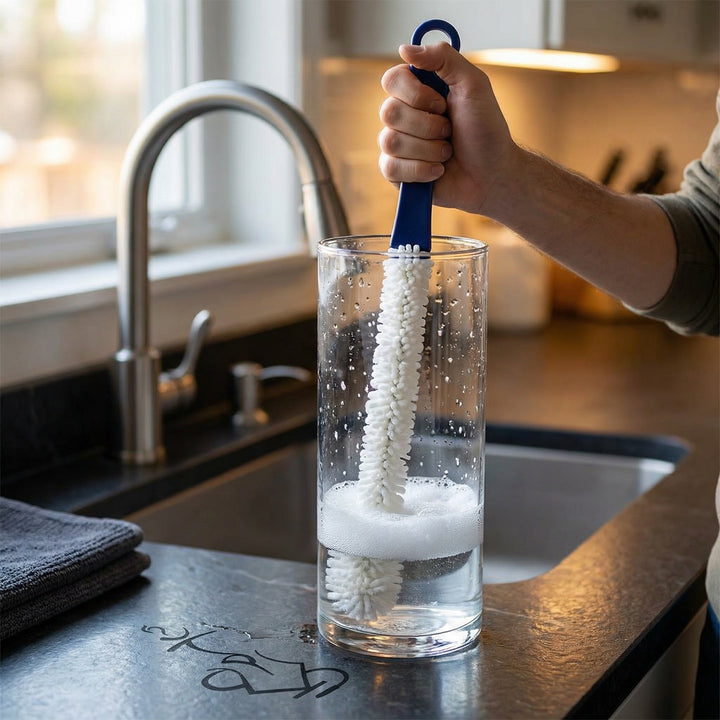
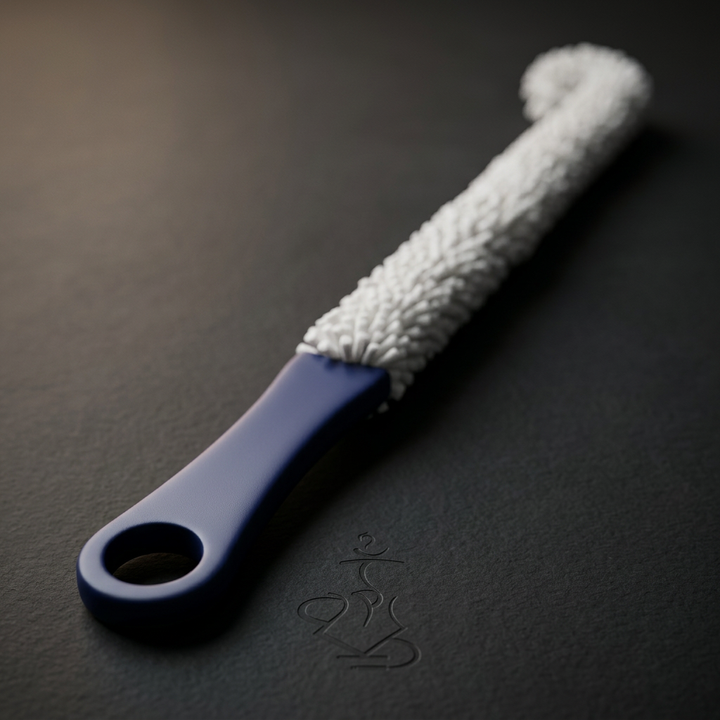
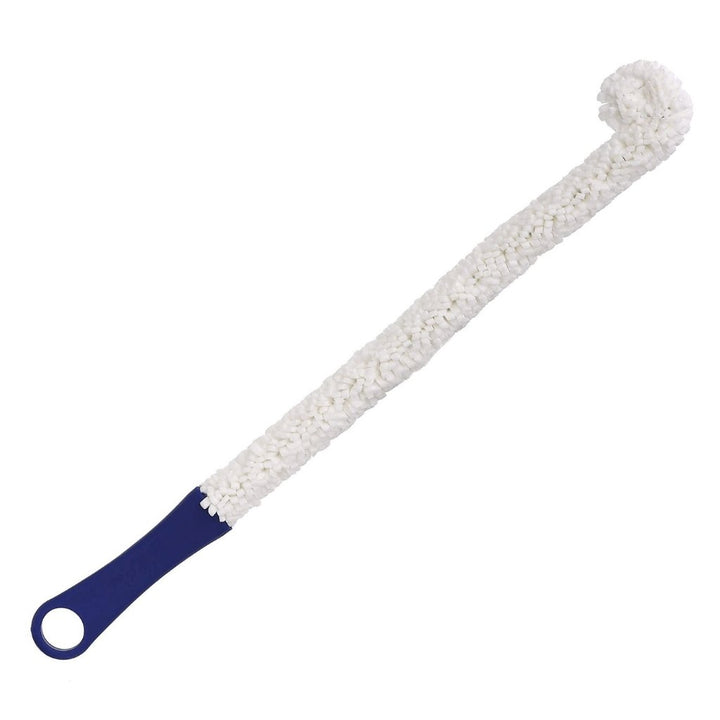
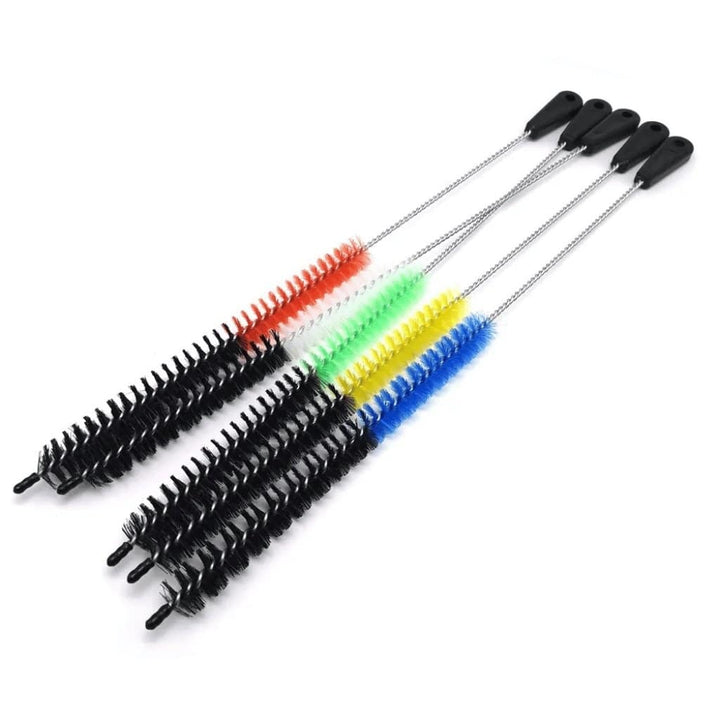
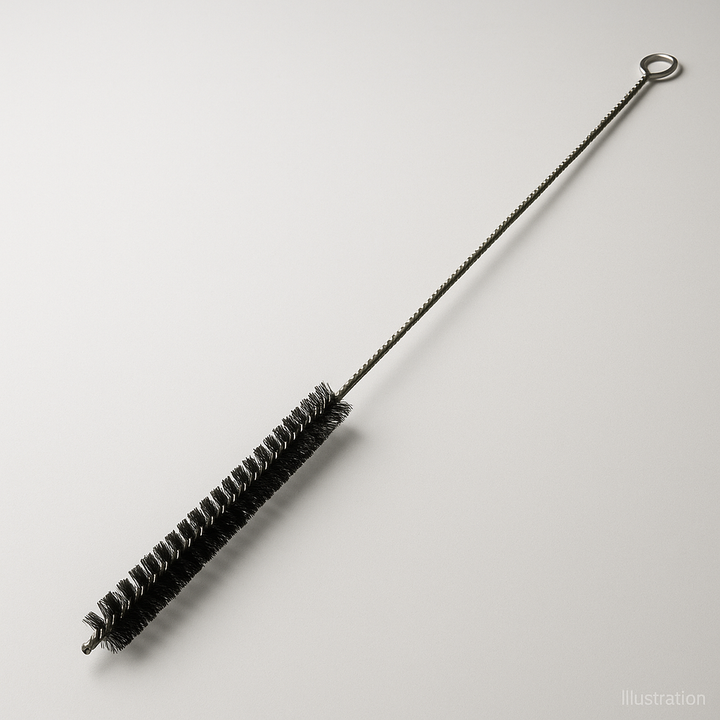
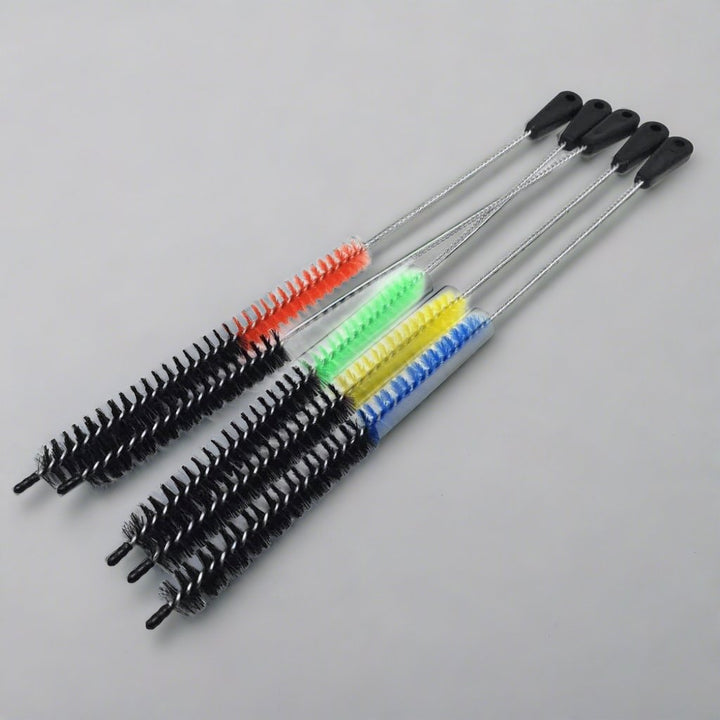
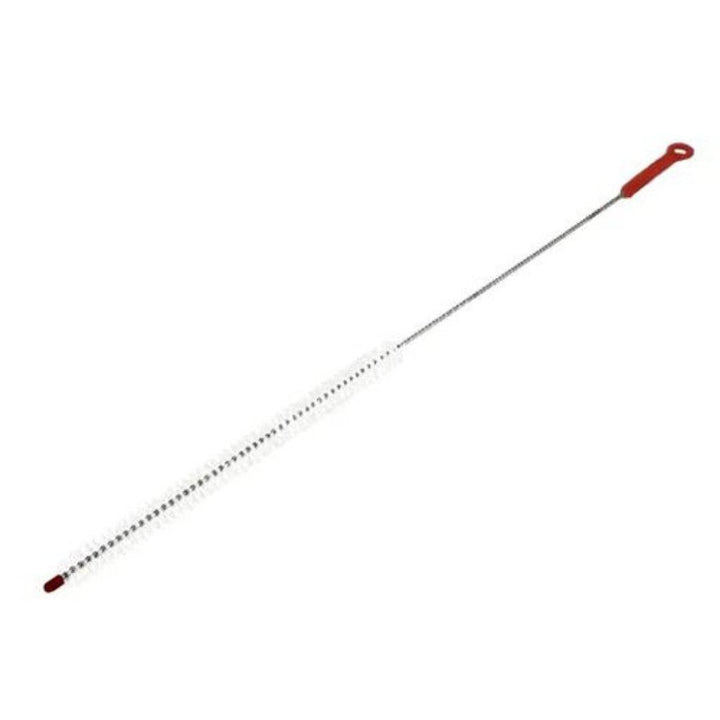
- Cleaning brushes and pipe cleaning kits, sized to stem and base diameter
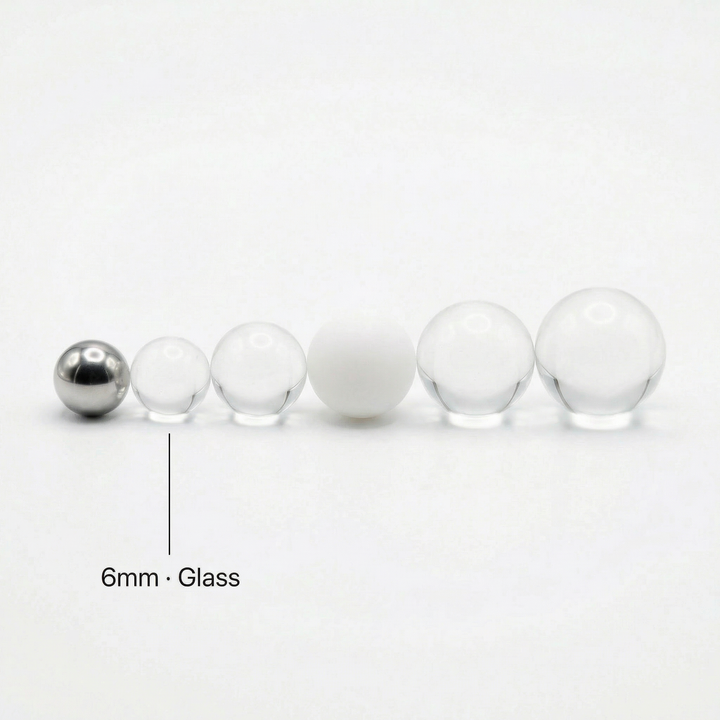
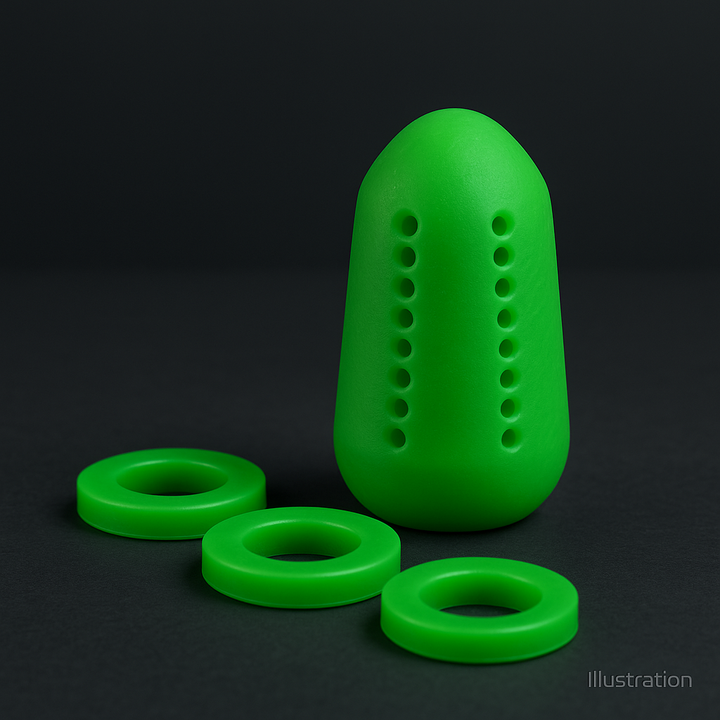
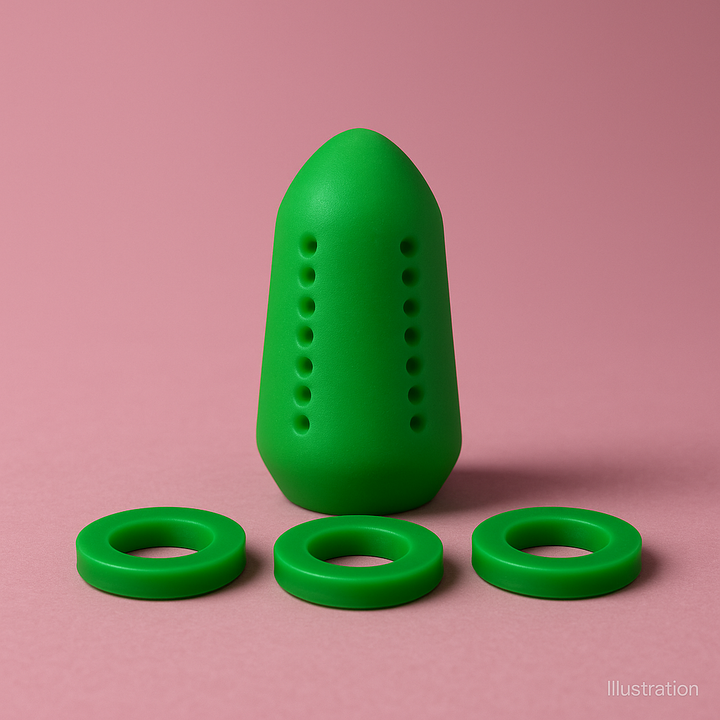
- Grommets, seals and washers, replaced when silicone hardens or starts to leak
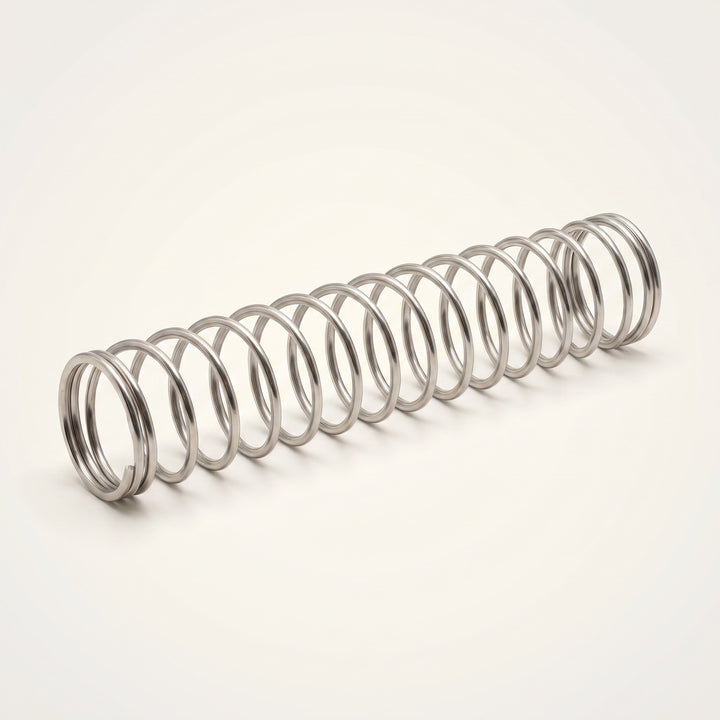
- Replacement parts and hardware spares
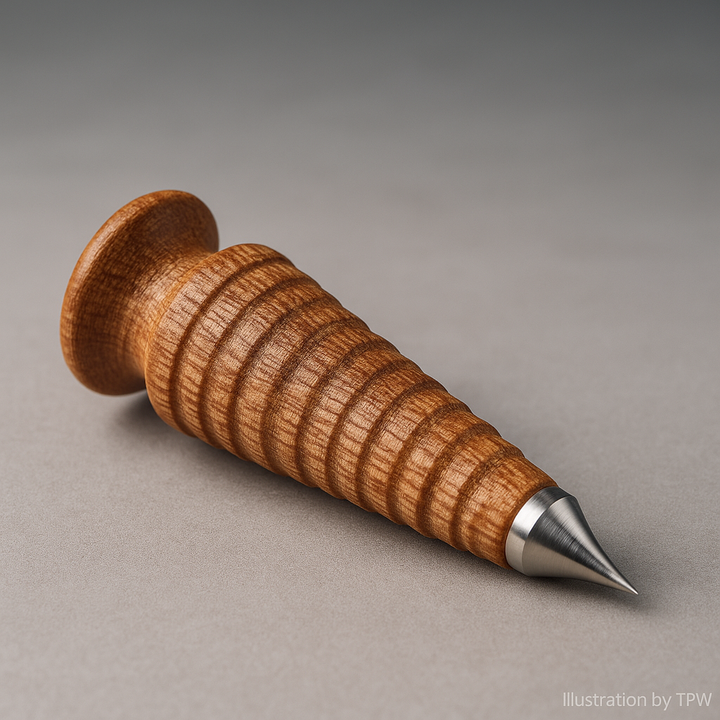
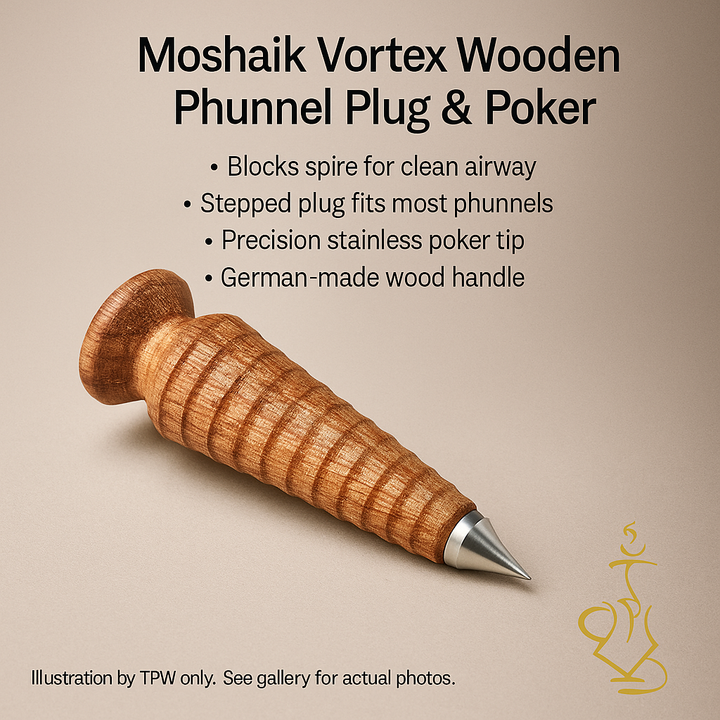
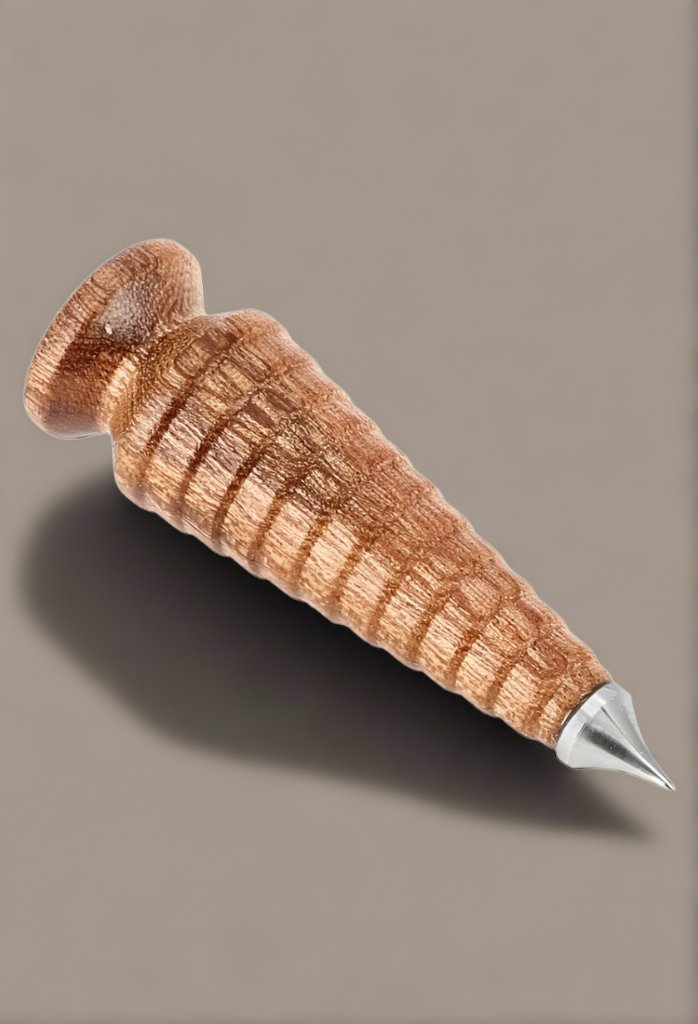
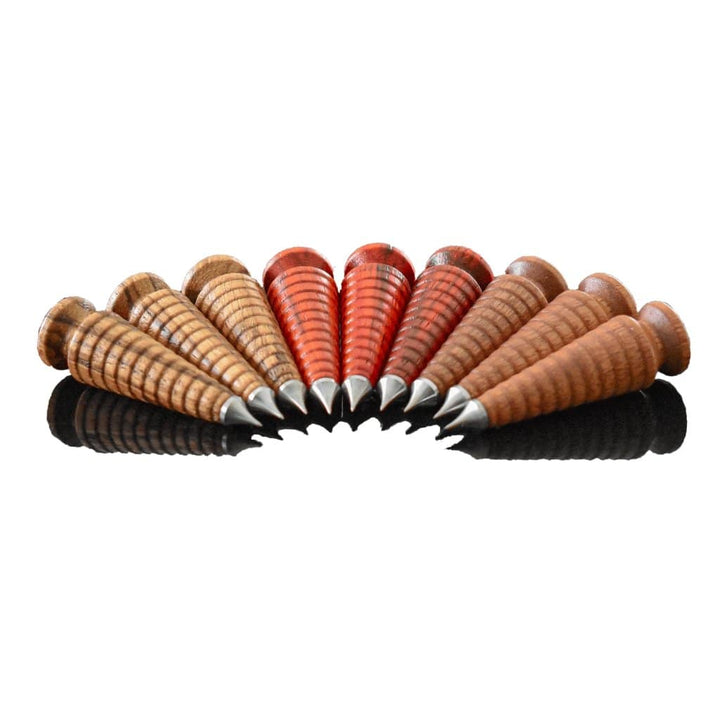
- Detailing tools and care accessories
The parts that wear out sit next to the hardware they serve: Hoses & Mouthpieces, Bowls, Shishas and Heat Management. Regular cleaning stops residue building up, so a well maintained pipe pulls better and lasts longer.
How often should you clean a shisha pipe?
Rinse the vase, stem and hose after every session, and run a full brush clean every few sessions or once a week with regular use. Swap silicone grommets and seals as soon as they harden, crack or stop sealing, since a loose seal weakens the pull.
Shop the full cleaning and maintenance range.